

 See My Latest Article on HelloNation
Why Budgeting Matters for Residents of Gluckstadt, MS
Creating a household budget with the help of a local bank can help area families manage expenses, reduce stress, and plan for the future. In Gluckstadt, where households may juggle seasonal energy bills, local activities, or major expenses like home maintenance, a clear budget supports daily stability and longer-term goals. Aligning your finances with banking tools can help make these goals more realistic and manageable.
How Can I Start Tracking My Spending with Bank Accounts?
Begin by reviewing your bank statements—whether you use traditional checks or digital banking, these records tell the story of your spending. Most banks offer transaction histories online, showing exactly where your money goes each month.
Start by:
- Downloading or printing last month’s transactions
- Sorting expenses into categories: groceries, utilities, transportation, housing, entertainment, savings, seasonal or occasional purchases
- Adding up each category to spot where money flows most often
Pay special attention to recurring fees, subscriptions, or unexpected costs that can creep in during months with birthdays, holidays, or severe weather.
What Steps Should I Take to Build a Realistic Monthly Budget?
Once your spending is mapped out, it's easier to create a budget that fits your real habits.
Steps:
- Write down your monthly income after taxes, including all sources (paychecks, benefits, side income)
- List fixed costs (mortgage or rent, insurance, car payments, internet)
- Estimate average amounts for flexible costs (groceries, gas, electric and water bills, childcare, pet care)
- Set aside a line for savings if possible—even a small, regular amount makes a difference
Be honest about lifestyle habits. For example, families in the area may find summer utility bills higher due to air conditioning or need to budget for back-to-school expenses in August.
Can My Bank Help Automate Savings or Payments?
Yes, many banks let you set up automatic transfers for bill payments or savings, which can take some pressure off remembering due dates or reaching savings targets. Using tools offered by your local bank can:
- Make sure regular payments go out on time, preventing late fees
- Help build an emergency fund by setting aside a fixed amount each month
- Allow you to segregate funds for specific goals, such as home repairs or holiday shopping
Automation is particularly useful for smoothing out uneven expenses, such as quarterly insurance premiums or irregular home maintenance costs.
How Do I Adjust My Budget for Changes or Emergencies?
Budgets aren't meant to be rigid. Life in the city brings its own surprises—an unexpected car repair, storm damage, or changes in work hours can disrupt even the most thoughtful plan.
Tips for staying flexible:
- Review your budget briefly every few weeks, particularly after any big event or change in routine
- Keep a small buffer in your checking account to handle minor surprises
- If a major bill arrives, check for ways to temporarily trim less-essential categories rather than skipping important obligations
If there’s a temporary financial hardship (such as job loss or medical bills), local banks may offer short-term hardship options or advice on managing payments—just be sure to ask for information rather than help assuming a solution is provided automatically.
What Banking Tools Make Budgeting Easier to Maintain?
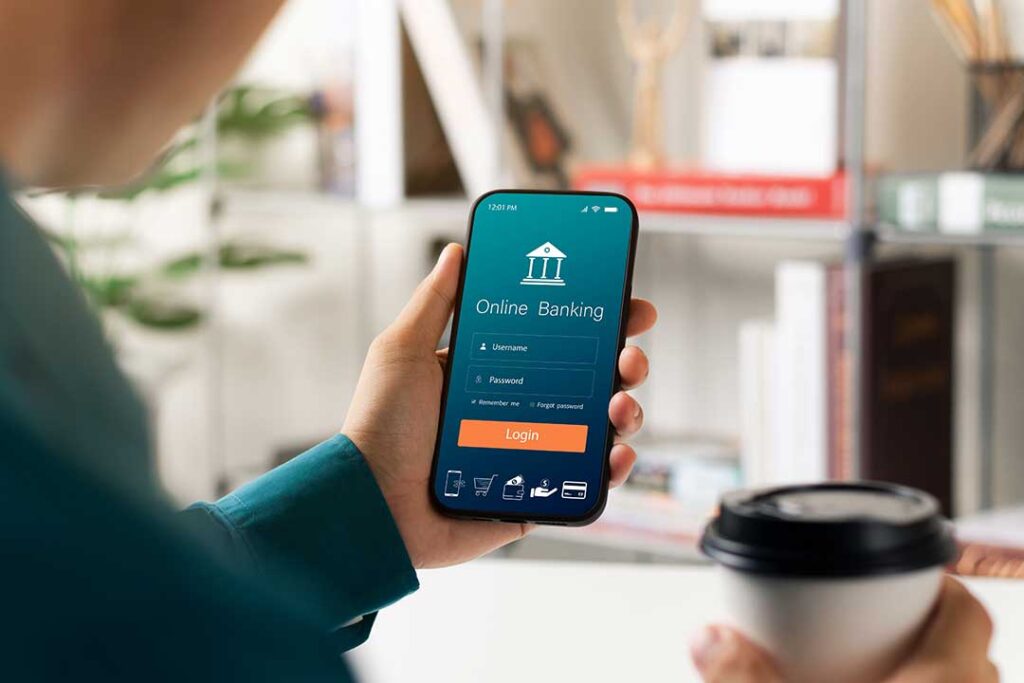
Most banks now offer mobile apps or online portals with budgeting features such as:
- Categorization of spending (often done automatically for common merchants)
- Alerts for low balances or large transactions
- Monthly snapshots to compare spending by category
Some also provide visual tools (graphs or pie charts) that can help residents quickly see where their money goes and spot trends, which is especially useful for busy households or anyone new to budgeting.
Are There Seasonal or Local Considerations in Budgeting Here?
Households in Gluckstadt may have expenses that shift throughout the year:
- Higher summer utility bills due to air conditioning
- Increased fuel costs during colder months
- Local events, youth sports registration, or holidays may lead to seasonal spikes
It’s wise to build these patterns into your budget. For instance:
- Averaging out annual costs (such as insurance or property tax) on a monthly basis to prevent surprises
- Creating a dedicated fund for seasonal expenses — even a small monthly amount can add up to relieve stress at peak times
What Are Common Missteps to Avoid?
Some common errors that can make budgeting less effective include:
- Forgetting infrequent but predictable expenses, such as annual registration fees, home maintenance, or school costs
- Overestimating the ability to cut back on flexible expenses
- Relying too heavily on overdraft or credit for monthly spending
- Ignoring small charges that add up, such as automatic renewals or app subscriptions
Taking a few minutes each month to glance over your bank activity—and using the tools your local bank provides—can catch these mistakes before they become a bigger issue.
How Do I Know If My Budget Is Working?
Your budget should feel like a helpful guide, not a restriction. Signs it’s working include:
- Less worry about covering regular bills
- Gradual progress toward financial goals (like building savings or paying down debt)
- No frequent surprises by month’s end
- The ability to handle minor emergencies without major disruption
If you find yourself constantly tapping into savings or using credit to cover the basics, it may be time to revisit your categories or seek free financial resources for advice.